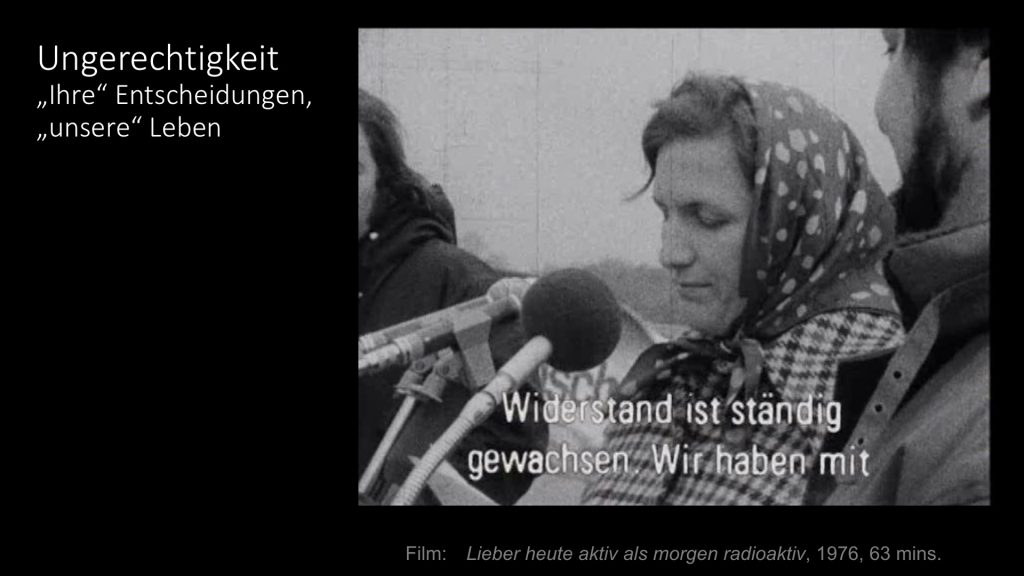
Ungerecht, undemokratisch, unsicher. Argumente und Akteure der deutsch-französischen Anti-AKW-Bewegung der 1970er Jahre
Vortrag am Deutschen Museum in München im Rahmen des Oberseminars Technikgeschichte.
Vortrag am Deutschen Museum in München im Rahmen des Oberseminars Technikgeschichte.
Monograph reviewed for French History, Volume 32, Issue 4, December 2018, pp. 615–617. doi:10.1093/fh/cry078 Summary: In the summer of 1907, France’s Midi rouge (the ‘red South’) was in revolt, with regular Sunday protests in towns throughout the region drawing as many as 600,000 participants. After protesters torched buildings in Narbonne, the military occupied the town,…
Read more
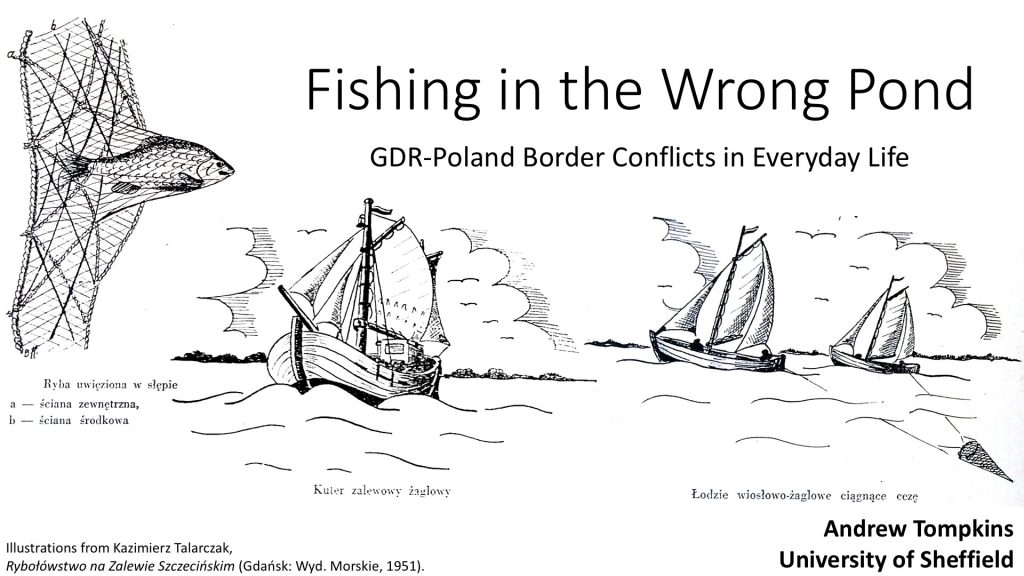
Presented at the 2018 annual conference of the German Studies Association in Pittsburgh, PA
Introduction to the special issue of the International Journal of History, Culture and Modernity, Vol. 6, No. 1 (2018), pp.1–12.

Special issue of the International Journal of History, Culture and Modernity, co-edited with Jan Hansen, Jochen Hung, and Philip Wagner.
Bike trip along the Oder-Neiße-Radweg.
Presentation for student conference, University of Sheffield, 10 June 2018.
Teach-out for the University and College Union, University of Sheffield, 23 May 2018.
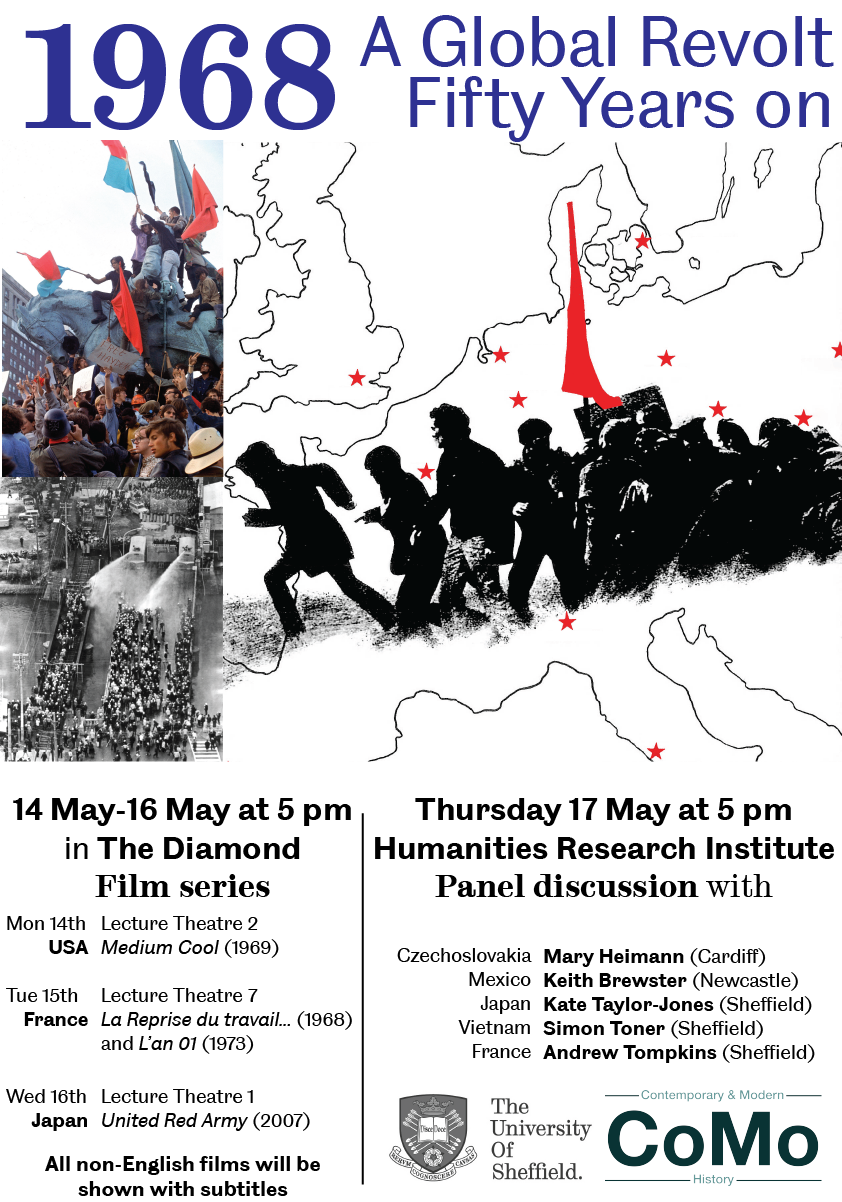
Presentation given as part of the ‘1968: A Global Revolt Fifty Years On’ panel discussion organised by the University of Sheffield Centre for Contemporary and Modern History.
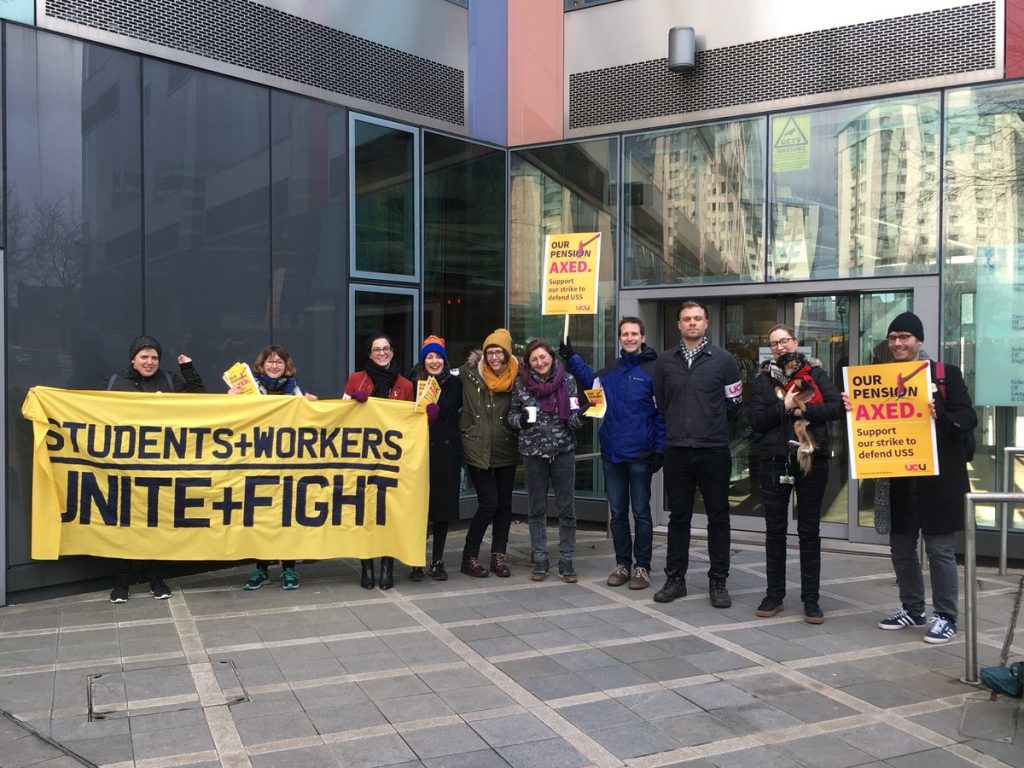
A contribution to the ‘Picket Line Perspectives’ series for ‘Historians’ Watch’ on History Workshop Online
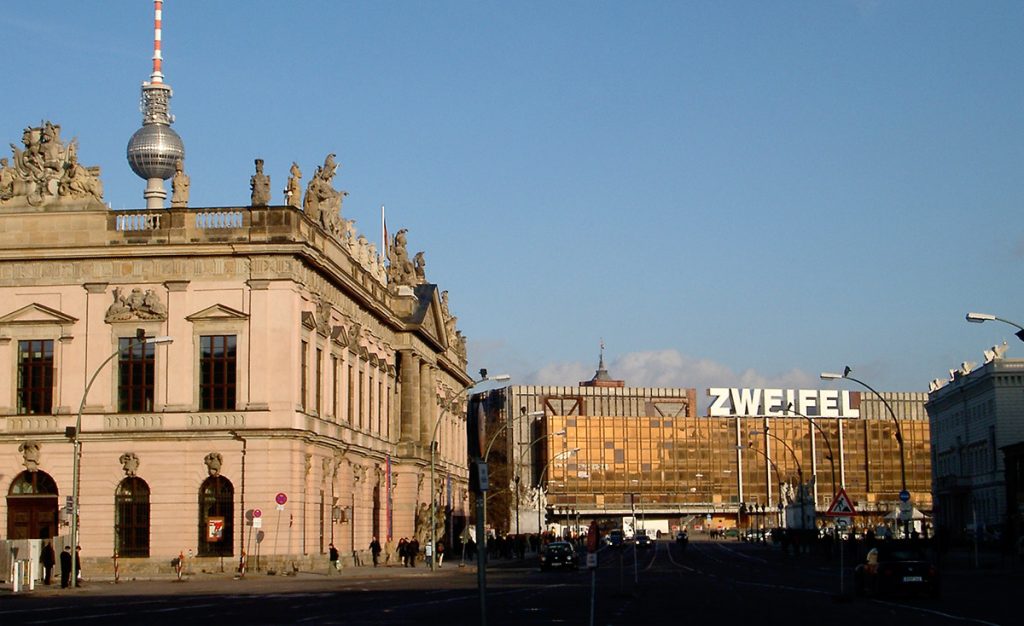
I designed and regularly teach this second-year module on post-war German history. It examines the social, political, and cultural history of East and West Germany in comparative and transnational perspective.
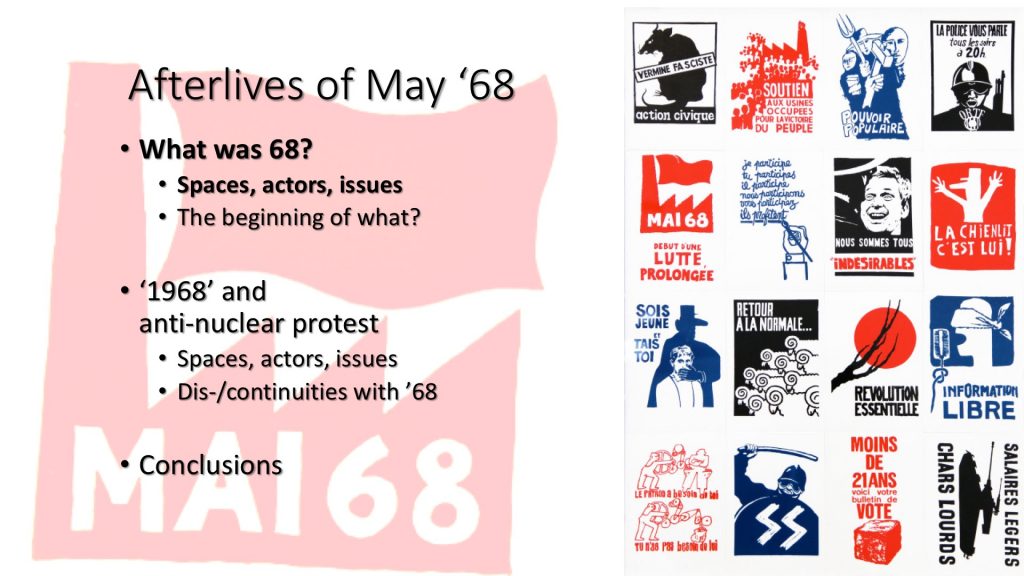
Keynote speech for ‘1968: Resonances and Reverberations’ workshop organised by the Labour and Society Research Group of Newcastle University.
Monograph reviewed for Social History, Vol. 43, No. 1 (2018), pp. 156-158. doi:10.1080/03071022.2017.1397367 Summary: Davey convincingly argues that tiers-mondisme and sans-frontiérisme were never so far apart as their advocates subsequently claimed, showing that they always shared key points of reference (the post-colonial third world, the Second World War) and even key practices (e.g. ‘speaking out’,…
Read more
Talk given for Northumbria University’s History research seminar.