Intellectual project
European borders as
“Fluid Boundaries”
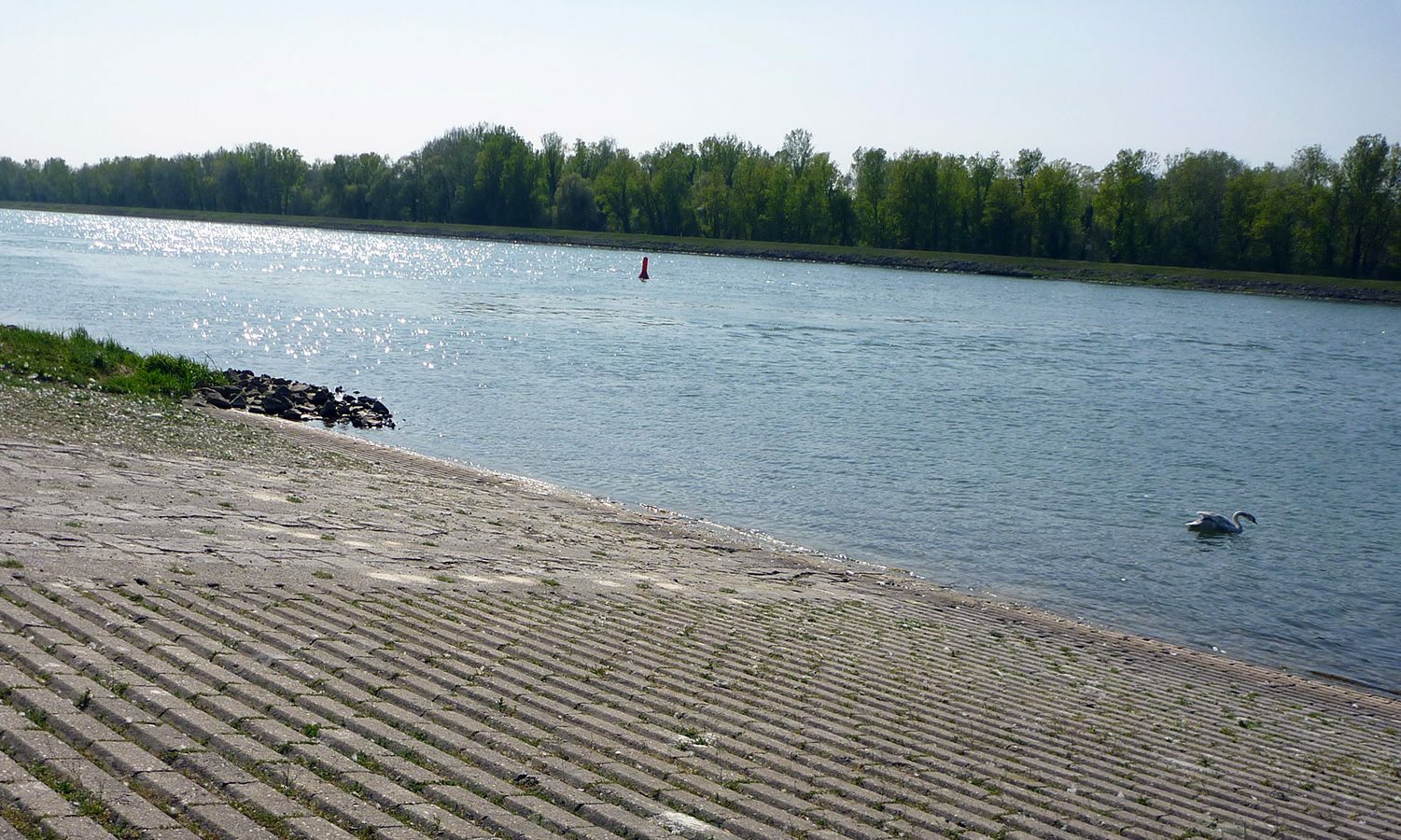
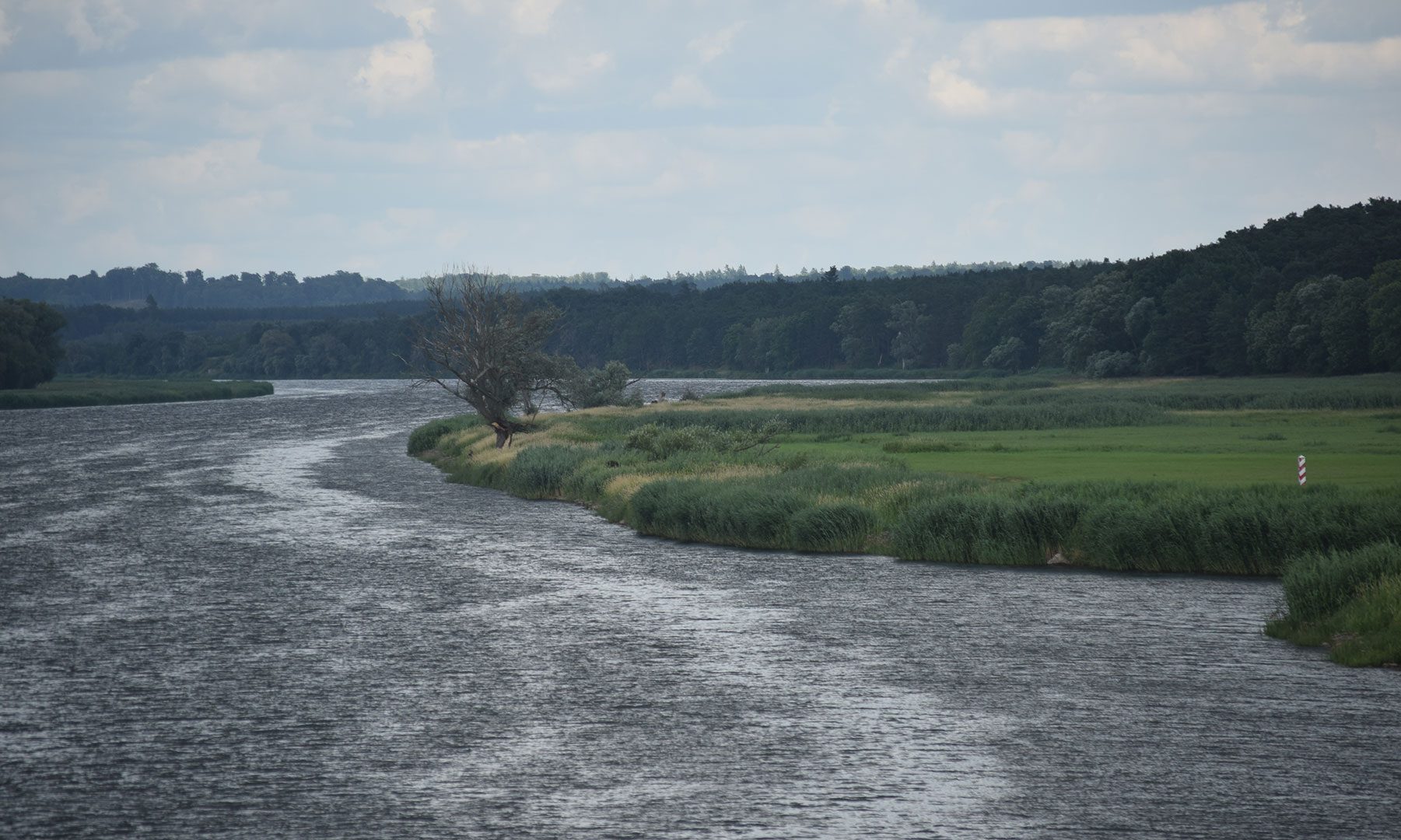
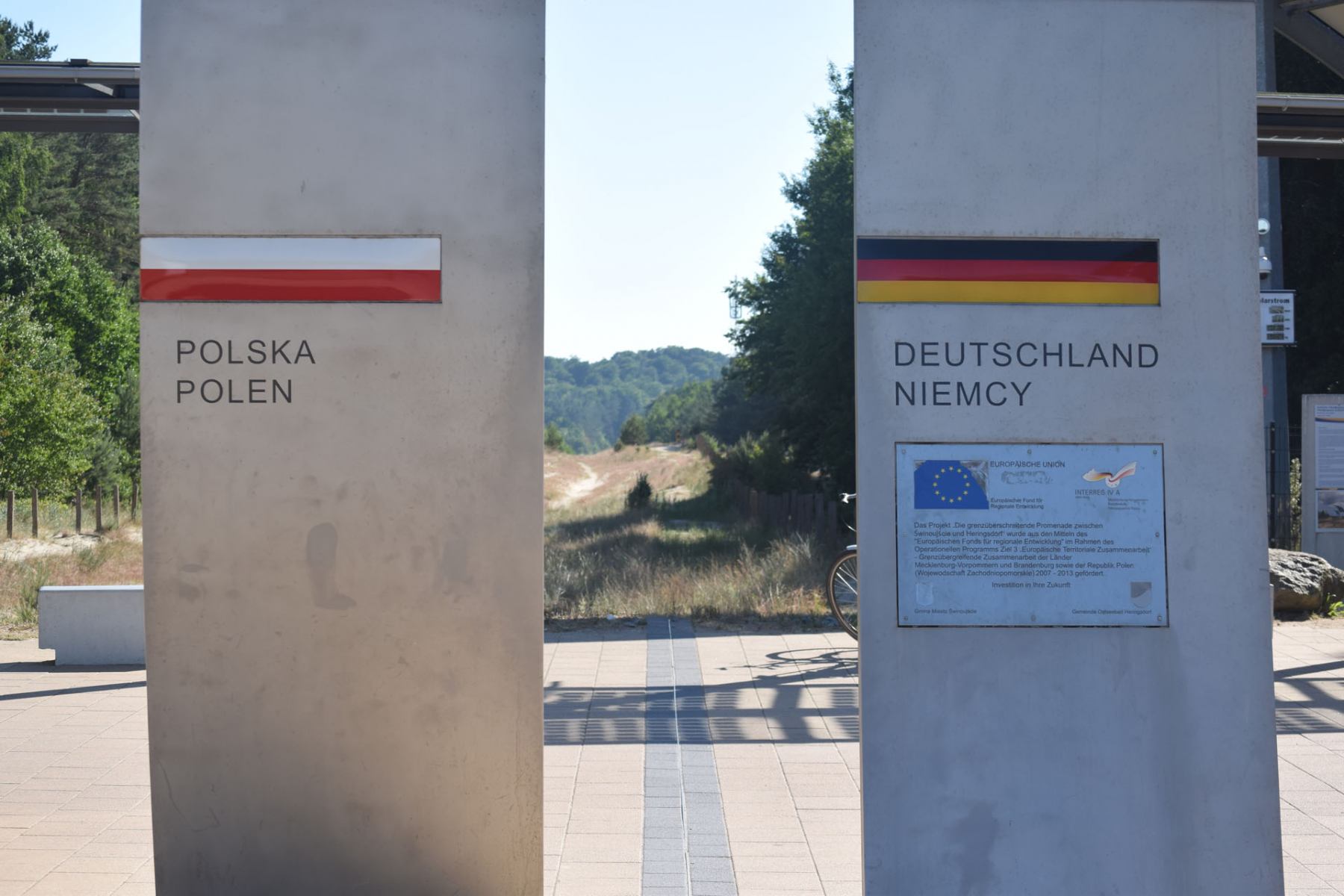
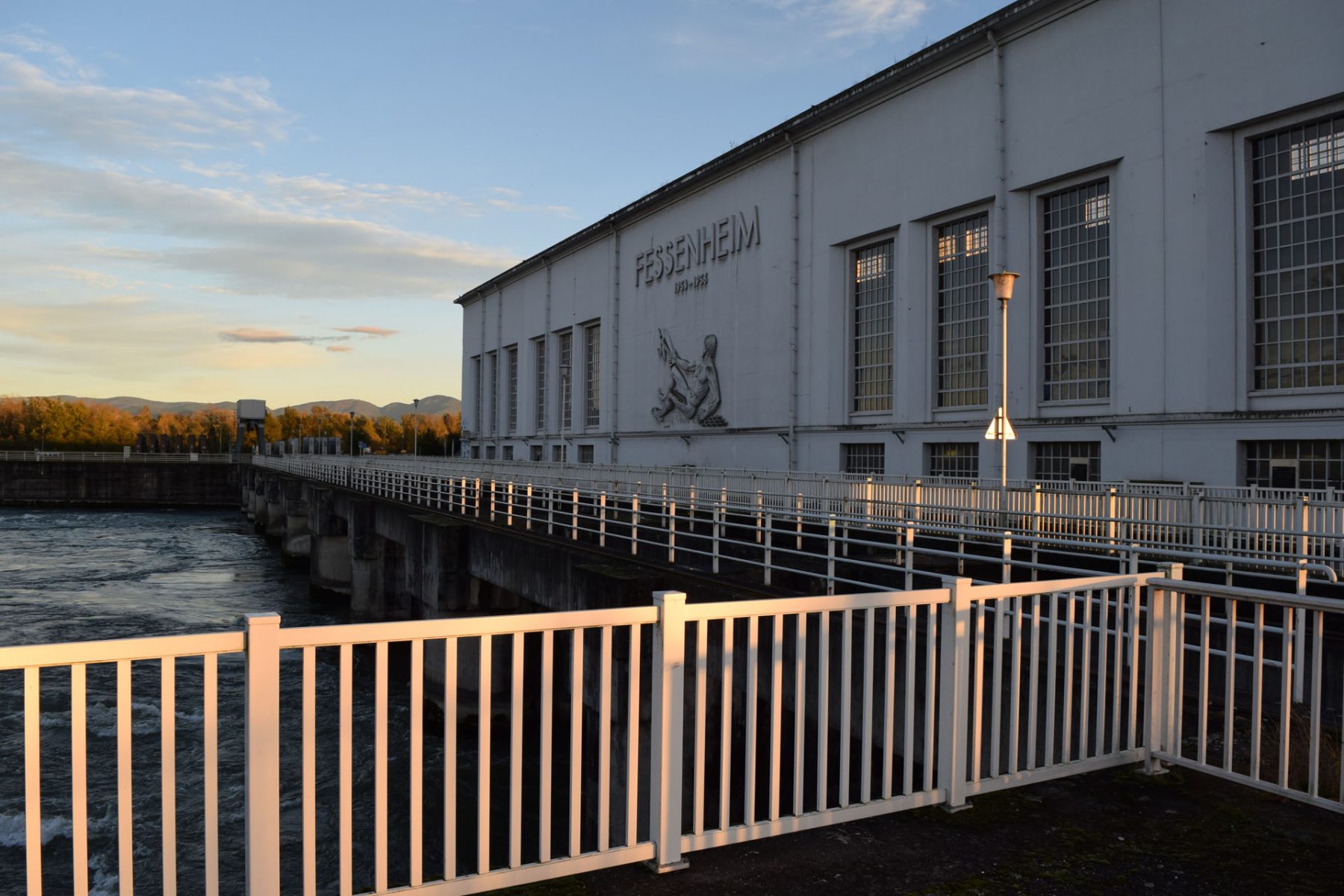
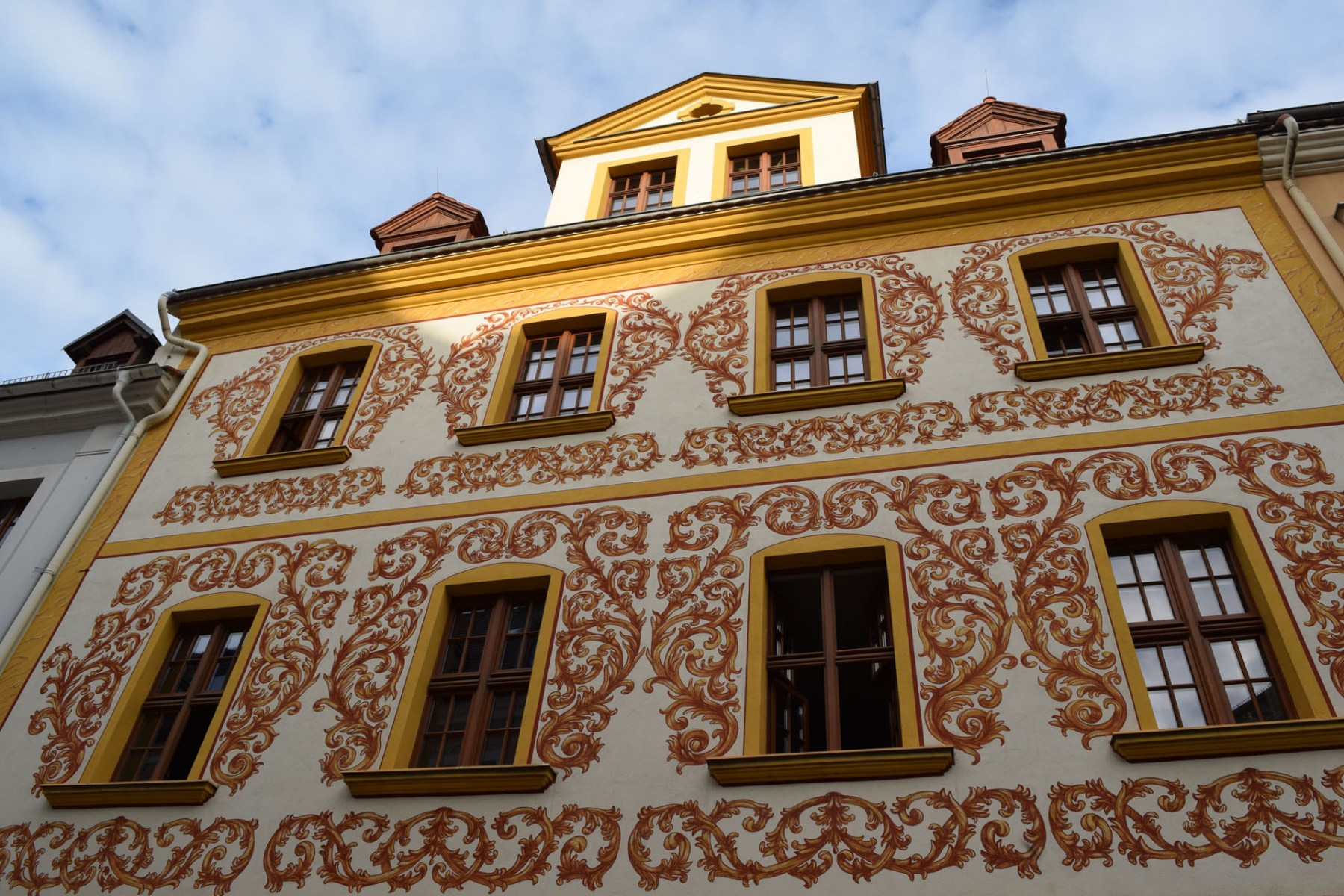
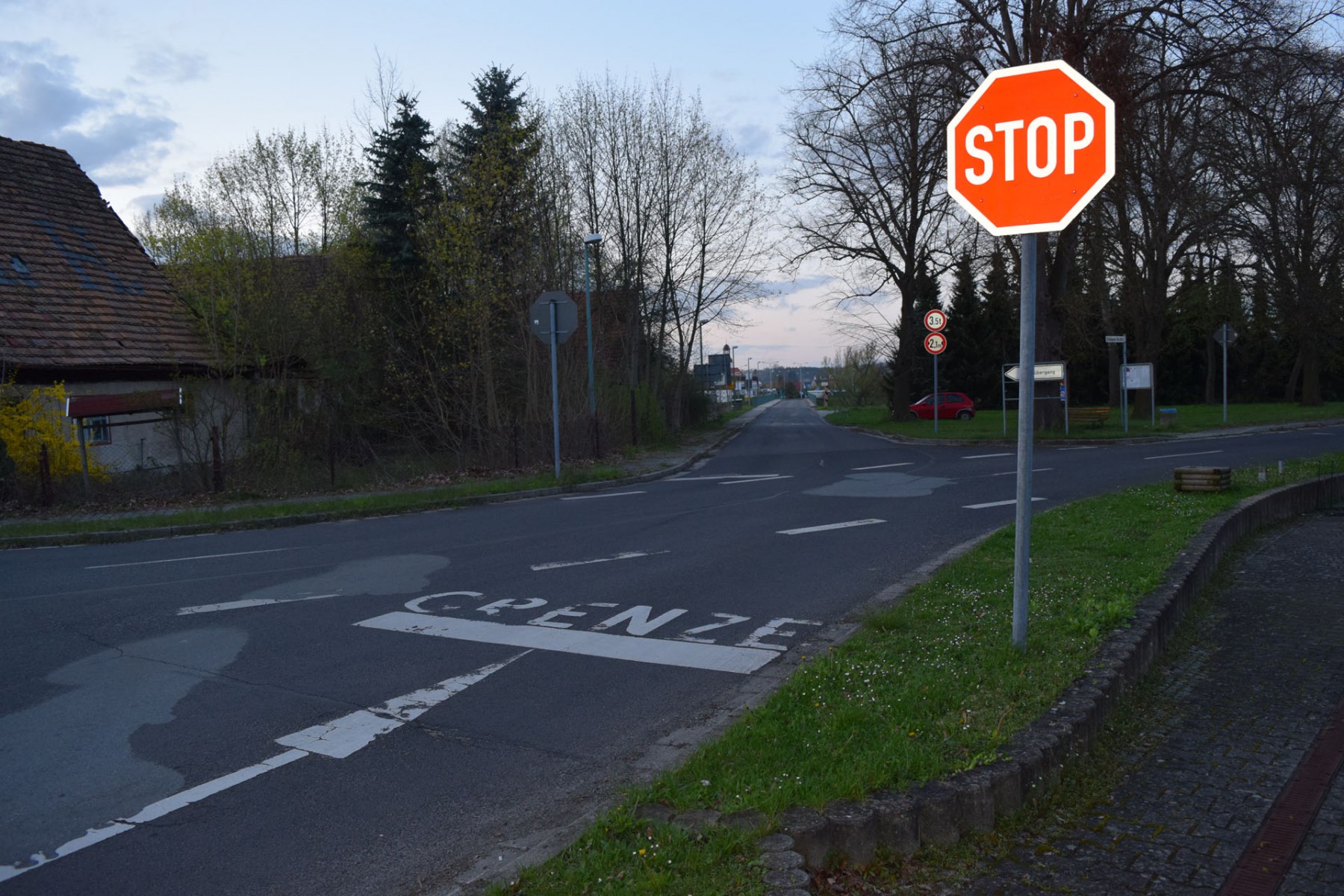
In some sense, borders have made “Europe.” Perhaps nowhere is this more true than along Germany’s borders with France and Poland. The Rhine and Oder-Neisse river systems have functioned as markers of the post-1945 settlement, spaces of integration, and sources of shared problems. My research aims to examine how citizens along these borders related to one another in everyday life.
Recent research
Working the Border
Even when East Germany closed its border to Poland in the 1980s, it continued to rely on hundreds of (mostly female) commuter laborers from Poland crossing regularly to work in factories in border towns like Görlitz. This project explores how both workers and police navigated this restrictive border regime in the final decade of the Cold War.
Previous research
Better active than radioactive!
My previous project examined cross-border protest against nuclear energy in France and West Germany during the 1970s. It was published in book form with Oxford University Press in 2016.
FIND OUT MORE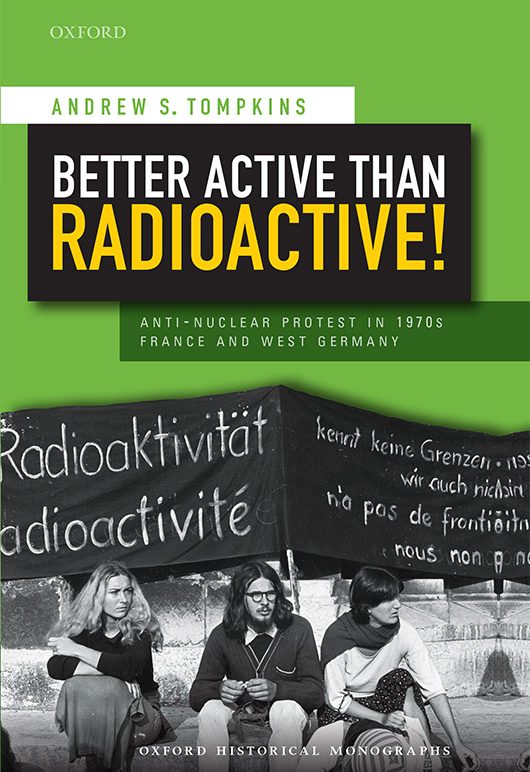

Recent activities
See below for information about some of my most recent publications, presentations, and teaching.
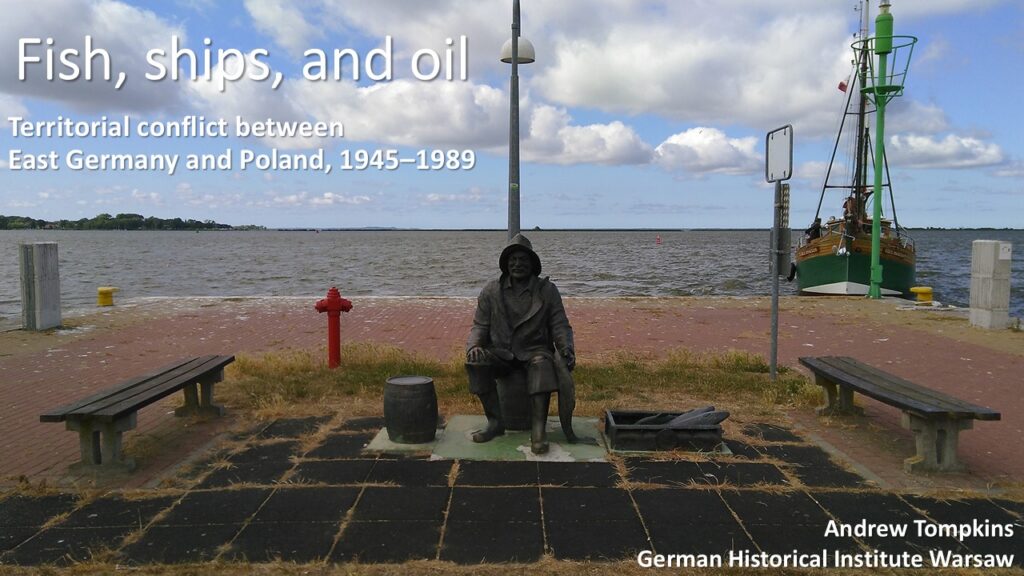
Fish, ships, and oil: Territorial conflict between East Germany and Poland, 1945–1989
Presentation given at the Max Weber Foundation Conference “Border Matters: Embodiment, Environment, and Infrastructure of Border Spaces”, 6 May 2026 at the German Historical Institute Warsaw
Read more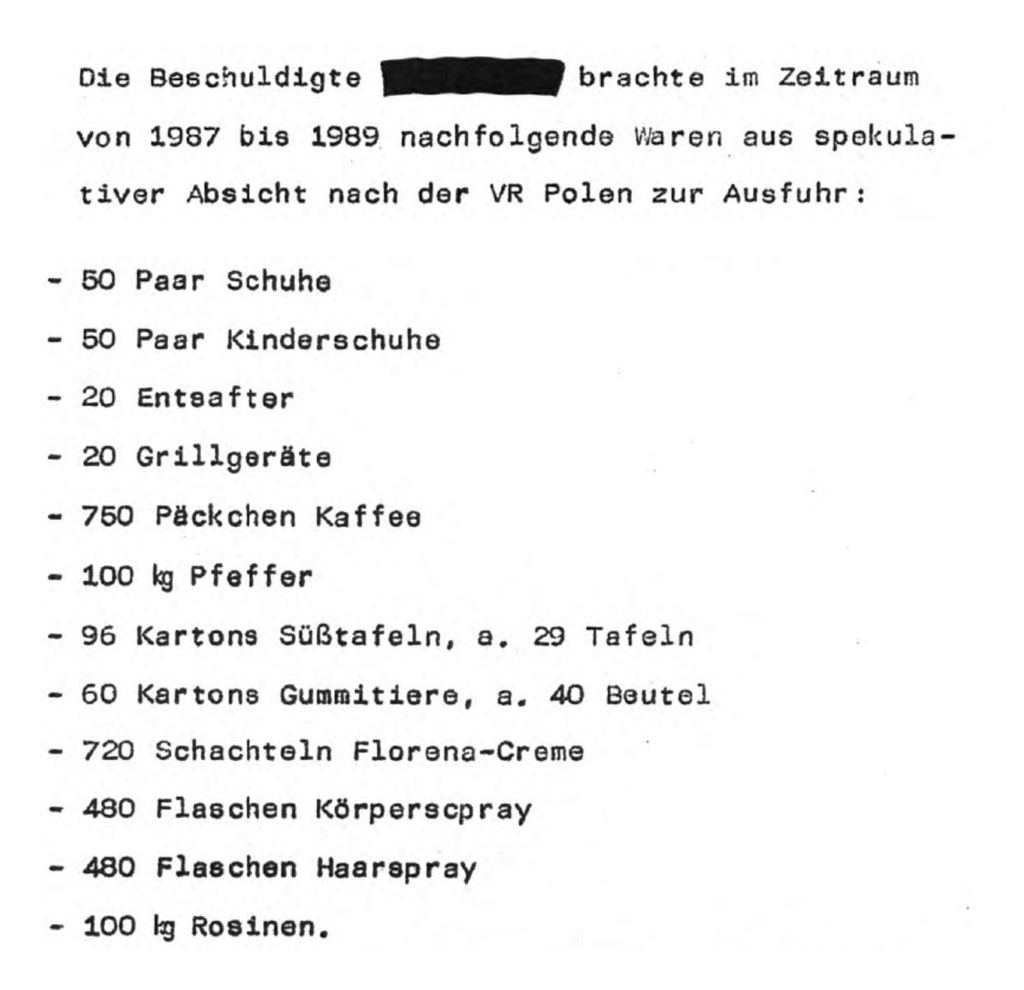
Wife, Daughter, Sister, Smuggler: Gendered Labour Mobility and Consumption across the Polish-East German Border, 1980-1989
Article published in Crime Histoire & Sociétés/Crime, History and Societies, 29, 2 (2025), 113–132. Abstract: Faced with problems of shortage on both sides of their shared border, East Germany and[…]
Read more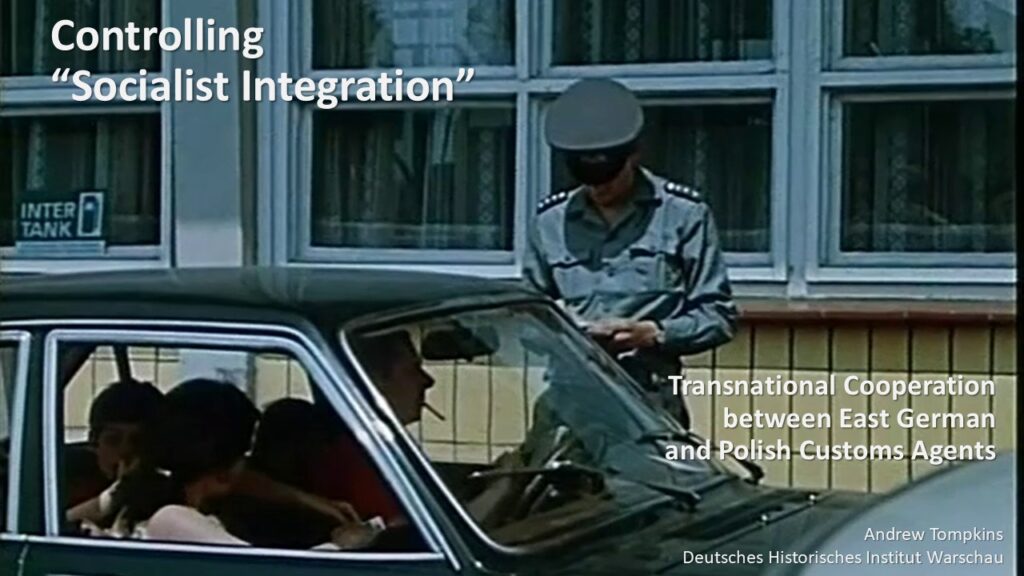
Controlling“Socialist Integration:” Transnational Cooperation between East German and Polish Customs Agents
Presented at the 2025 Association for Slavic, East European, and Eurasian Studies conference in Washington, D.C. as part of the panel “Revisiting ‘Socialist Integration’: Transnational Cooperation and Its Challenges under[…]
Read more